
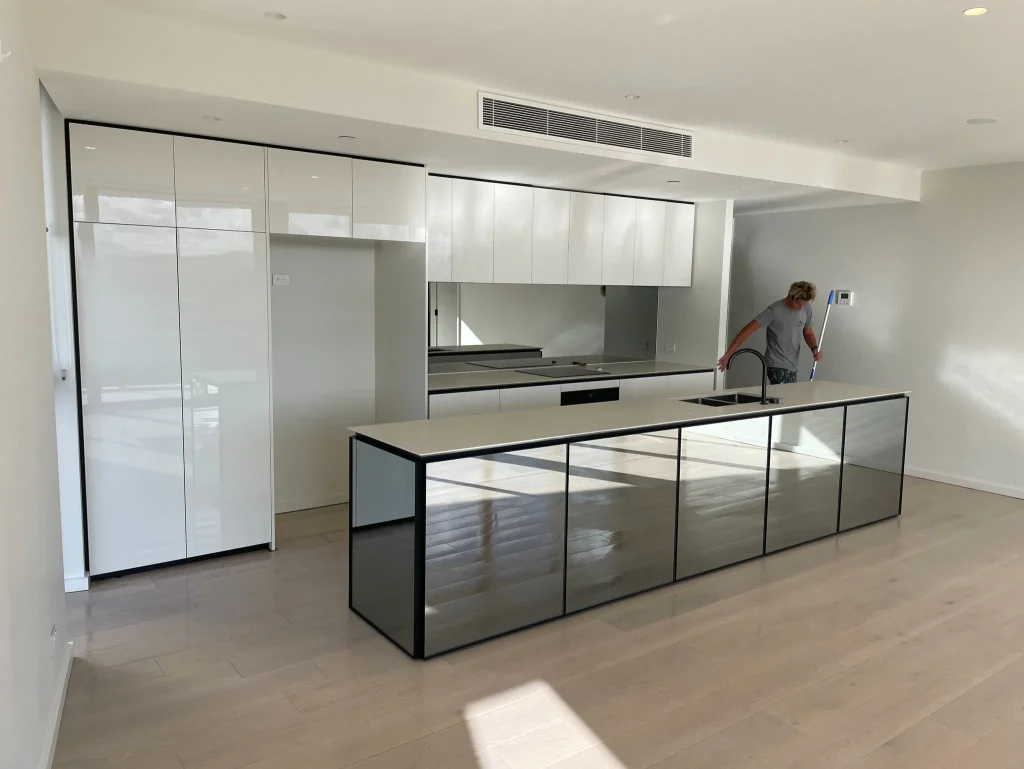
Tenants are responsible for maintaining the cleanliness of their rented space during their lease and just prior to moving out. They pay their landlords a rental bond and sign a contract to ensure a smooth transition to the next tenant. Otherwise, you may incur overpriced cleaning fees, which will be deducted from your rental bond.
While moving to a new location can be exciting, you must meet your end-of-lease cleaning responsibilities to prevent these costs and financial strain before relocating. As a trusted provider of Gold Coast bond cleaning solutions since 1999, our services ensure spotless surroundings, ensuring that our customers seamlessly move to their next destination.
Key Takeaways
- Bond cleaning ensures the property is returned in a clean, inspection-ready condition, helping tenants meet landlord and agent expectations.
- A thorough clean reduces the risk of deductions from the rental bond due to missed areas or poor cleanliness standards.
- Professional bond cleaning covers detailed areas such as kitchens, bathrooms, floors, windows, and appliances, which are closely inspected.
- It helps tenants avoid re-clean charges or penalty fees if the property fails the final inspection.
- Proper bond cleaning increases the chance of a full bond refund by meeting strict end-of-lease checklist requirements.
This blog explains how bond cleaning helps tenants avoid costly fees, empowering you to take charge of your move and enjoy long-term peace of mind.
End-of-Lease Cleaning Defined
End-of-lease cleaning (also known as bond cleaning) is a thorough, comprehensive clean of a rental property before the tenant moves out. It ensures that the occupant meets lease requirements, allowing him to receive his full rental bond before leaving.
The comprehensive nature of bond cleaning often includes:
- Kitchens: Cleaning of refrigerators, ovens, stovetops, and stainless steel appliances, microwaves, backsplash sanitation, benchtop resealing, cabinet and drawer top washing, vacuuming of cabinet shelves.
- Bathrooms: Disinfection and sanitation of all surfaces, bathtub and shower enclosure scrubbing, toilet cleaning, polishing mirrors, sinks, vanity countertops, and the insides of drawers.
- Living areas and bedrooms: Gold Coast carpet deep cleaning, spot cleaning of walls, cleaning of shelves, rails, doors, windows, dusting of light fixtures, switches, and HVAC systems.
- Extras: Carpet steam cleaning, pest control, or balcony cleaning.
End-of-lease cleaning requires tenants to return the premises to their original condition before leaving. If the tenant fails to meet this requirement, the property manager may arrange professional cleaning services and deduct the fees from the tenant’s rental bond.
A Tenant’s End-of-Lease Cleaning Responsibilities
Landlords or property managers require their tenants to maintain high standards of cleanliness and order in their rental spaces. Professional end-of-lease cleaning services ensure that you meet this objective and create a seamless transition to the next occupant.
It’s important to remember that you must make your rental space move-in ready for the next tenant. You must also not create any potential issues for your rental property manager before you leave the premises.
The following issues can lead to fines or legal action:
- Unkempt and cluttered surroundings where pests and potential diseases can thrive.
- Leaving behind rubbish that leads to strong odours.
- Creating a cluttered, fire-hazard environment.
- Creating a contaminated, bacteria-laden environment (especially in the bathrooms and kitchens) poses a serious health risk.
Steps Landlords Take for Unacceptable Bond Cleaning
Tenants in Australia must deposit a rental bond before leasing a flat. They will also sign a contract that stipulates the apartment’s expected pristine, spotless condition before they move out. Otherwise, your property manager has the right to retain your deposit and use it to hire professional bond cleaners.
In extreme cases where the flat has become cluttered, dilapidated, and beyond repair, your landlord can charge additional fees to repair or replace damaged property. Unfortunately, this is a costly, time-consuming procedure that requires remediation or, worse, a lawsuit. If your property manager wins the legal proceedings against you, your state may likely require you to pay the required legal fees.
Bond Cleaning Disputes Explained
Your property manager usually takes photos to capture the original condition of your rental property before you move in. You must return your flat to its original condition; otherwise, your landlord can retain your deposit to pay for professional end-of-lease cleaning services.
If your property manager feels you didn’t meet the required and expected cleaning standards, a dispute can arise. Its causes often include:
- Missed areas (e.g. inside ovens, HVAC systems, etc.).
- Carpet or wall stains.
- Mould, grease, or grime in kitchens and bathrooms.
- Rushed, low-quality cleaning.
- Noticeable differences between the entry condition report and the final condition.
Your landlord can retain the rental bond until the dispute is resolved. The general dispute process for most Australian states includes:
- Initial claim: The landlord or the tenant submits a bond claim to the state’s bond authority. In Queensland, the Rental Tenancies Authority (RTA) will receive the bond claim.
- Negotiation: Both parties try to agree on deductions.
- Mediation/tribunal: If the dispute remains unresolved, the case is processed by the Queensland Civil and Administrative Tribunal.
- Decision: The tribunal reviews the evidence (photos, reports, and receipts) and determines the bond distribution.
How Tenants Can Prevent Bond Cleaning Fines and Charges
In Australia, tenants can avoid bond cleaning fines and fees by taking proactive measures to meet the property’s cleaning requirements. The following steps will help you achieve this goal and deliver long-term peace of mind:
- Follow the entry condition report: It’s important to remember that the final condition must match or exceed the entry condition. Always refer to this report for proper guidance.
- Clean the property thoroughly: Whether it’s DIY or professional end-of-lease cleaning, you must ensure that your rental property is pristine and immaculate to meet legal requirements and ensure a smooth transition to the new tenant. Check “hidden” areas, such as oven interiors, air vents, and other discreet spaces, to ensure you meet the final condition requirements.
- Document the property condition: Take clear before-and-after photos of all the rooms. We also recommend keeping invoices or receipts from professional cleaners to strengthen evidence and prevent potential disputes.
- Perform a final inspection: Check the entire rental property yourself or with your property manager to ensure that you meet their required cleaning standards.
Conclusion
Failing to meet your end-of-lease cleaning requirements can be costly and time-consuming. Your landlord or property manager can retain your rental bond and use part of it to cover professional cleaning fees. Extreme cases where the rental property is significantly cluttered, dilapidated, or beyond repair can lead to disputes and legal proceedings, potentially delaying your move to your new home.
You can avoid costly fees by ensuring you meet or exceed your landlord’s cleaning requirements. Thoroughly cleaning every space, including the bathroom, kitchen, living area, and discreet spaces, allows you to receive your rental bond and ensure a seamless transition to the next tenant. Taking proactive steps to clean your flat delivers long-term peace of mind.
You can entrust your bond cleaning requirements to Gold Coast Clean & Sheen. Since 1999, we have provided our customers with reliable, cost-effective Gold Coast holiday rental cleaning that guarantees results.
Book an appointment today to receive a personalised quotation and arrange an on-site inspection. Allow Gold Coast Clean & Sheen to relieve you of your bond cleaning duties.